Where time bends, and eras fold into the moment.
Where time bends, and eras fold into the moment.
by Renaissance Woman
People don't grow up dreaming of becoming museologists. Neither did I. Most people don't know what a museologist is or does, let alone how one could make a living out of it. Don’t ask me, because I am not quite sure either, despite calling myself one.
What I do know is that it takes me on a sensory journey that gives me great pleasure in remembering, writing, and sharing with others. It is a way of connecting to eras past, cultures distant, stories forgotten, objects stolen and futures humanly possible. A way of being of this world and of this island, at the same time.
Museums, I have come to believe, are not merely repositories of things. They are theatres of memory. The long and short story about ourselves. As a habitual time traveller, I find Sri Lanka's museums endlessly revealing. Not because they are top-notch per se, but because they contain untold stories about this island and beyond.
Sri Lanka has over 120 museums. I have visited many of them. Each one, in its own way, bends time.
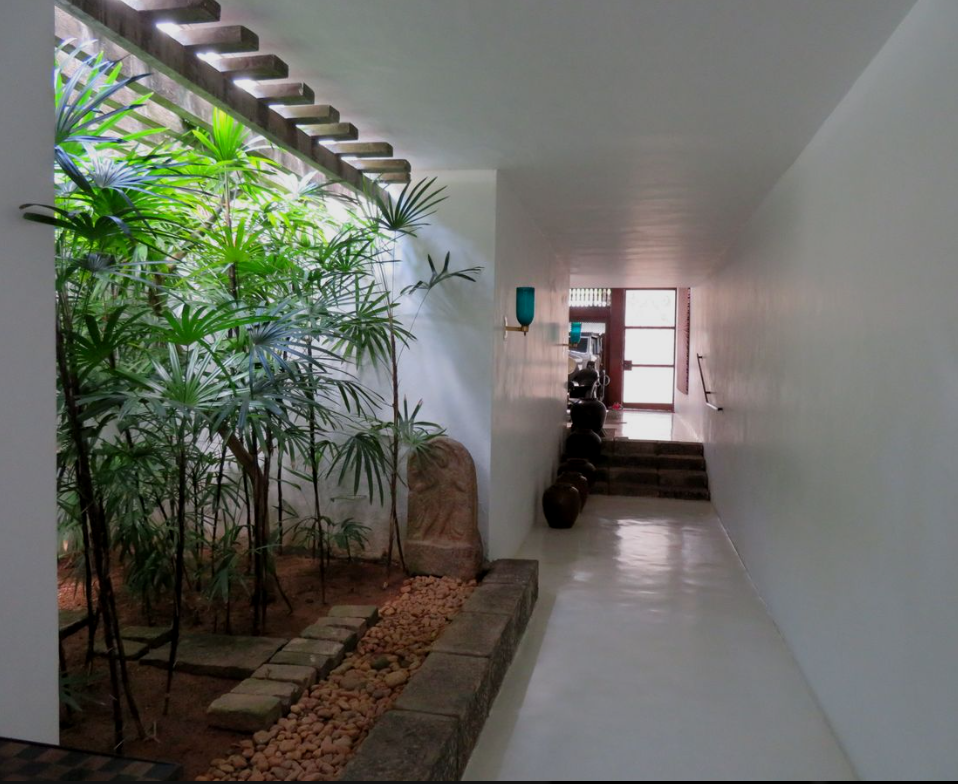
Interior, No 11 Bawa House, Colombo. Photo: Timetravel Ceylon
No. 11 Geoffrey Bawa House
| An Architect's Mind Preserved in Space
| An Architect's Mind Preserved in Space
Colombo · Architecture · 2 hours
No. 11, Geoffrey Bawa's Colombo home, is a historic house museum that is on top of my list for good reason. Moving through its rooms feels like stepping into the thought process of the master architect, layered, tropical, modern in the way it is rooted and grew organically from urban space. It’s a cultural landmark of cosmopolitan Sri Lanka, showcasing how the island absorbs the world beyond and expresses it in its own terms.
-
Visits must be booked in advance, and numbers are strictly limited. This is not a popular tourist attraction but a private trust-managed home. On-site interpretation is available. Blends well into an architecture tour of Colombo with a private curator.
Colombo National Museum
| Where the Nation Assembles Itself
| Where the Nation Assembles Itself
Colombo · Heritage · Half day
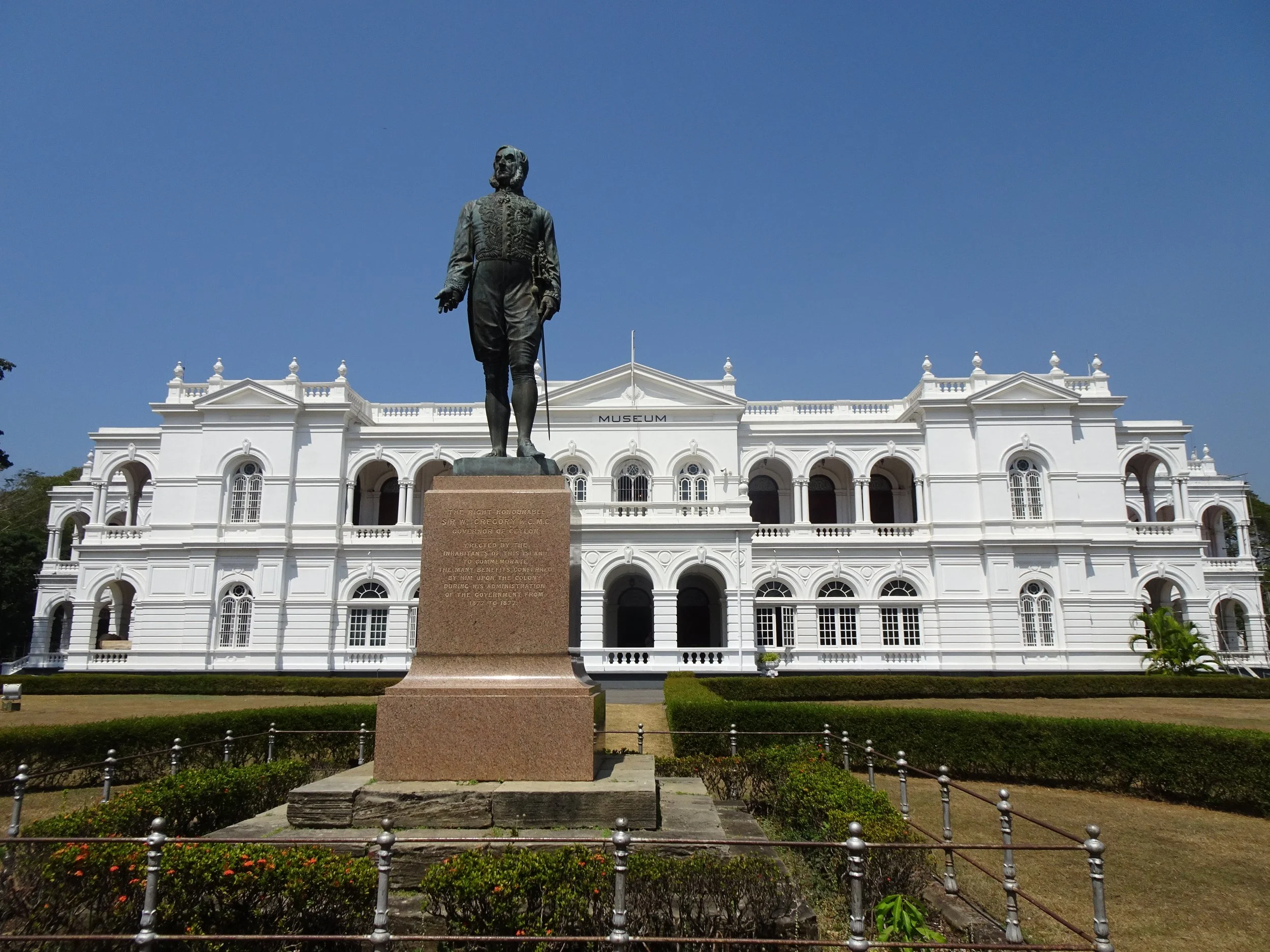
Sir William Gregory, former Governor of British Ceylon and Founder of the Colombo National Museum, must now stand under the tropical sun for eternity. Photo: Ute Wagner.
If Sri Lanka had a collective attic, it would look very much like the Colombo National Museum. Here, the grand narrative of the island is assembled: royal regalia, exquisite religious sculpture, breathtaking colonial-era landscapes, and ethnographic displays that attempt (sometimes earnestly, sometimes awkwardly) to stand in for an entire nation. Founded in 1877, it is the best place to get your bearings about the island’s long past, if you know how to enjoy a ‘good old-school museum’.
As you walk through its galleries, kingdoms rise and fall in glass cases. Fascinating stories lurk behind tiny bronzes and ivory boxes, but unless you go with someone who knows, you will miss these stories entirely.
-
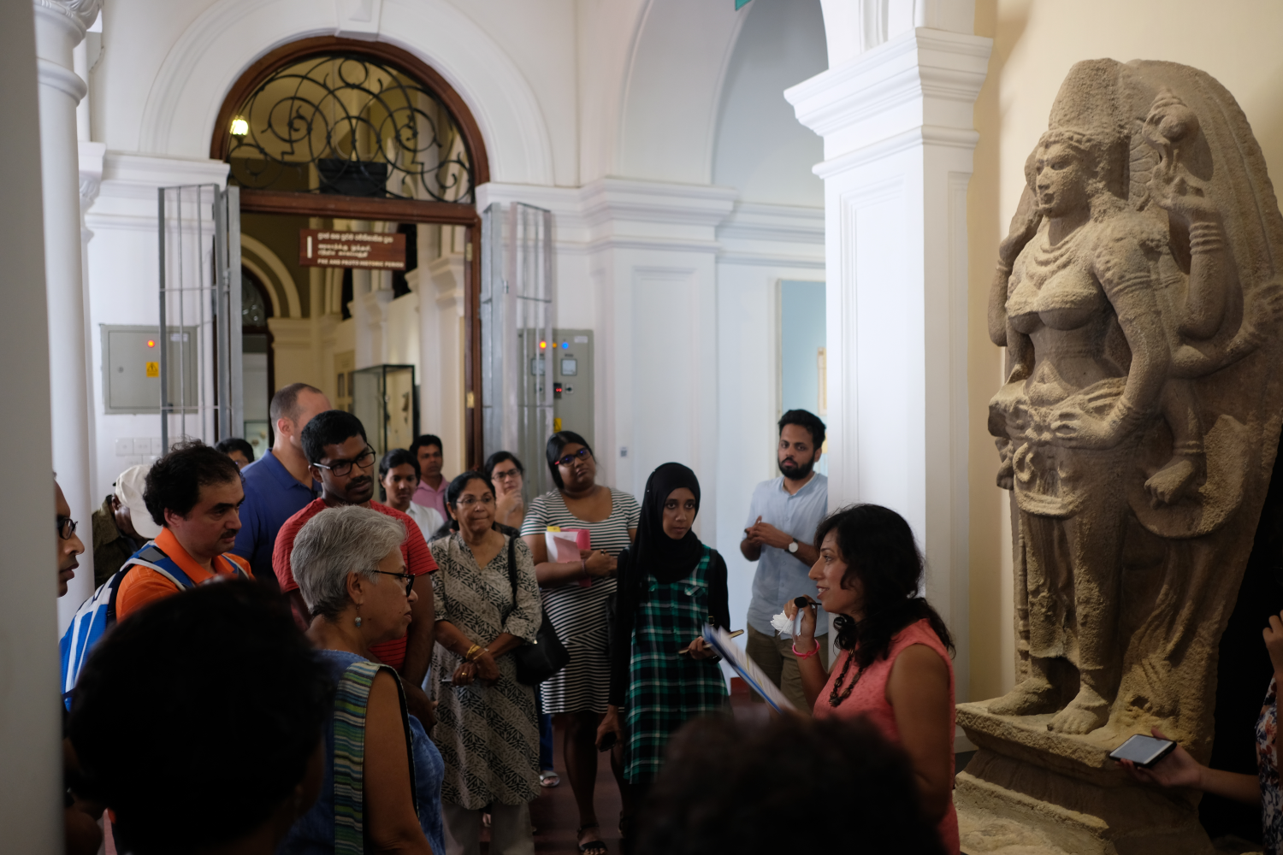
There are no onsite interpretive guides, but from time to time, externally curated museum walks are offered, if you happen to catch one. They are a wonderful way to explore the collection while meeting fellow curious minds. If your time on the island is limited, we recommend reserving a private morning visit with an external curator, who can bring the museum to life with insights no label could capture. We pair this with a late breakfast at a heritage property nearby, where the conversation almost always continues.
Martin Wickramasinghe Folk Museum
| The Genius of the Everyday and the Ordinary
| The Genius of the Everyday and the Ordinary
Koggala, Southern Coast · Culture · Half day
Curated cultural performance, organised for a small group as a part of an immersion into Mask Traditions of Sri Lanka at the lush garden of Martin Wicrkamasinghe Folk Museum. Wickramasinghe’s childhood home provides an enchanting backdrop in the evening light. Video: Timetravel Ceylon.
I’ve got a soft spot for this one. Set away from the metropolis, the Martin Wickramasinghe Folk Museum reminds us that history does not belong to kings and capitals. This is a museum of the everyday: farming tools, domestic objects, ritual items and a fabulous collection of traditional masks, collected over time by Sri Lanka’s most celebrated literary genius, Martin Wickramasinghe. It is here that Sri Lanka's rural intelligence reveals itself, quietly, and I dare say, elegantly. Beyond the museum galleries, amidst a lovely garden, stands Wickramasinghe’s ancestral and childhood home, disarmingly small and simple. In my experience, most people walk away from this place, feeling more rewarded than they expected.
-
We pair this visit with a boat ride in the Koggala lagoon, past the thick mangrove jungles and Madol Duwa, an island immortalized in Wickramasinghe’s famous novel, before private lunch at a restored colonial bungalow nearby. The pace slows considerably, which is precisely the point. For small groups and children an immersion into mask traditions of Sri Lanka can be organised with a private tour, mask painting workshop and and cultural performance to end the day with a flourish.
Archaeological Museum, Anuradhapura
| Where Minor Objects Tell Major Stories
| Where Minor Objects Tell Major Stories
Anuradhapura · Archaeology · Half day
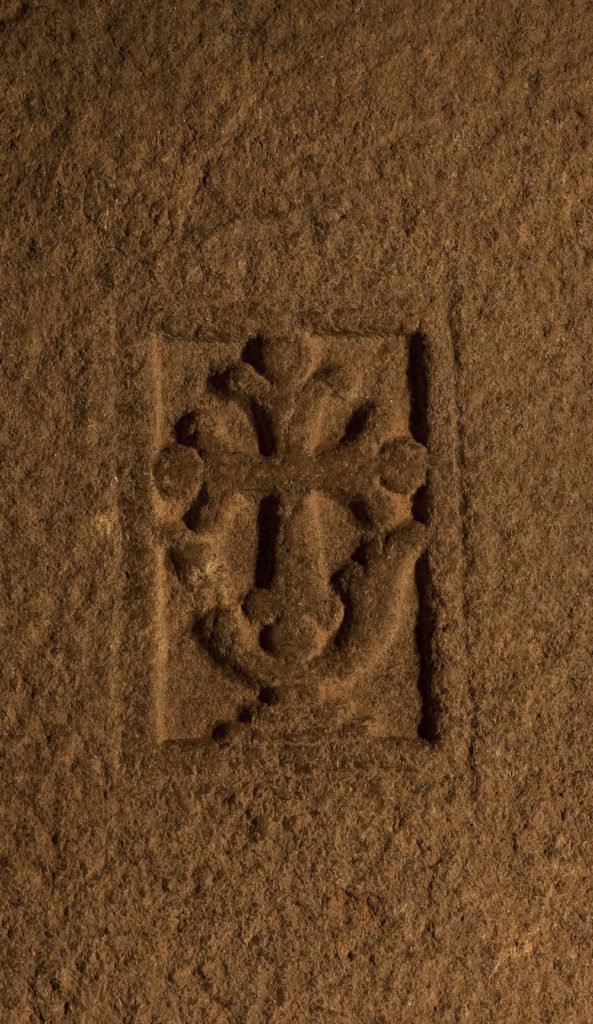
The Nestorian Cross Anuradhapura. Photo: Sujeewa de Silva
Returning to Anuradhapura always feels like recalibrating time. The Archaeological Museum complements the grandeur of the ruins outside by drawing attention inward, to smaller things — coins, inscriptions, sculptures, and a remarkable Nestorian Cross.
In a gallery dominated by Buddhist material culture, this small Christian motif opens an unexpected window into transregional connections, trade routes, and plural histories. Sri Lanka's past was never as singular as later narratives suggest.
-
We include this museum as part of a two-day private archaeological circuit through the Cultural Triangle, with accommodation in a heritage tented camp within the ancient city boundaries — a rare and remarkable permit to hold.
Polonnaruwa Archaeological Museum
| Fragments of a Planned City
| Fragments of a Planned City
Polonnaruwa · Archaeology · 2 hours
Polonnaruwa's ruins are majestic; its museum is precise. Sculptures, architectural fragments, and explanatory models reconstruct the logic of a medieval capital. The gallery of Hindu bronzes contains the best found on the island, a must for anyone interested in Hindu iconography. The museum excels at helping visitors understand how space, power, and aesthetics converged.
-
Best experienced as an introduction to Polonnaruwa ruins, before entering the archaeological park itself. Again, visiting with an expert makes a difference.
Dambulla Mural Museum
| Painted Time
| Painted Time
Dambulla · Sacred Art · 2 hours
No one quite knows that this museum exists, but it does. If one wishes to understand the historical trajectory of the island through art, this is the museum to visit. The Dambulla Mural Museum draws attention to colour, line, and devotion across centuries, from prehistoric cave prints to grand Buddhist murals, presenting an evolving visual language across generations.
-
Combined with a visit to the cave temples above, this becomes one of the most art-packed experiences available anywhere in Sri Lanka. We arrange for a conservator to walk you through the restoration work currently underway, a privilege available to very few visitors.
Museum of Modern and Contemporary Art
| The Present Negotiates the Past
| The Present Negotiates the Past
Colombo · Contemporary Art · 1–2 hours
Sri Lanka's contemporary artists are often in conversation with history, often questioning or reframing it. The Museum of Modern and Contemporary Art offers a necessary counterpoint to archaeological and colonial collections. Here, identity is not settled; it is questioned. Themes of war, displacement, gender, labour, and memory surface with urgency. The temporary exhibitions are well-curated with an array of educational programmes and meaningful encounters.
-
Check their website before you go for guided tours and educational programmes. We arrange studio visits with selected artists whose work features in the collection. These private conversations over tea, in working studios, are among the most intellectually alive experiences we offer in Colombo.
Jaffna Public Library
| Phoenix rising from the ashes
| Phoenix rising from the ashes
Jaffna, Northern Province · Memory · Half day
Technically speaking, this is not a museum, but the Jaffna Public Library is one of the most powerful sites of cultural memory in Sri Lanka. Its destruction and rebuilding transformed it from a place of knowledge into a symbol of loss, resilience, and the politics of memory. It houses a fabulous collection of palm-leaf manuscripts that survived the tragedy, the viewing of which can be organised upon request. Personally, I visit it as a pilgrim of peace every other time I visit Jaffna, to admire its Indo-Saracenic façade and sense the living pulse of Jaffna.
-
Jaffna remains one of the least visited yet most extraordinary destinations in Sri Lanka. We design private itineraries for the north that include the library, the fort, and introductions to community and artistic figures shaping the city's quiet renaissance. This is travel for those who wish to understand, not merely observe.
National Maritime Museum, Galle
| The Ocean as Archive
| The Ocean as Archive
Galle Fort, Southern Coast · Maritime History · 1–2 hours
Housed within Galle Fort, the National Maritime Museum reminds us that Sri Lanka's history is as much about the ocean as it is about land. Shipwrecks, trade routes, fishing traditions, and colonial encounters converge here. Housed within the spacious Dutch warehouses from 1671, the museum lost many artefacts to the 2004 tsunami. Re-opened in 2010, the museum is a portal to an older world, with a long, oceanic love story.
-
Best combined with a slow evening walk through the Fort itself, and a milkshake at one of the lovely cafes.
Tea Plantation Workers Museum
| Remembering Long Lost Voices
| Remembering Long Lost Voices
Hill Country · Social History · Half day
This is one of the island's most necessary museums. By foregrounding the lives of plantation workers, it challenges romanticised narratives of Ceylon Tea. It speaks of migration, endurance, and generational labour, and in doing so, expands our understanding of what national heritage truly means.
-
We include this as part of our Hill Country itinerary, which pairs the labour history of the estates with private tea tastings, plantation walks, and accommodation in a beautifully restored colonial planter's bungalow. The contrast — and the conversation it provokes — is intentional.
Memorial Museum for Raja the Elephant
| Unusual, Emotional, Unforgettable
| Unusual, Emotional, Unforgettable
Kandy · Cultural Curiosity · 1 hour
Some museums surprise us with the emotions they evoke. Dedicated to Raja, a revered ceremonial elephant, this small museum explores the complex relationships between humans and animals, devotion, and memory. Intimate, tender, and unexpectedly moving, it is a brief visit that lingers in the mind long after. It also offers a thoughtful point of departure for conversations around a subject widely debated in Sri Lanka today, the human-elephant conflict.
-
A perfect complement to a Kandy Esala Perahera visit, or as part of a broader cultural day in the Hill Capital. We pair it with a private audience at the Temple of the Tooth, arranged through longstanding relationships with the temple custodians.
Kattankudy Heritage Museum
| Community Memory Preserved
| Community Memory Preserved
Kattankudy, Eastern Province · Community Heritage · Half day
Small, local, and deeply meaningful, the Kattankudy Heritage Museum documents Muslim cultural life on the east coast. In a country where minority histories are often underrepresented, this museum plays a crucial role.
-
Best visited as part of a curated eastern itinerary that includes the bay of Batticaloa, the lagoon, and introductions to local cultural figures. This is a region that rewards those who take the time to listen.
Closing Thoughts from a Time Traveller
For a deeper conversation on Sri Lanka's museum landscape, I spoke with George Cooke for Sri Lankan Understanding.
Museums are not neutral. They are shaped by choices, about what to display, what to explain, what to leave unsaid. As I move through Sri Lanka's museums, I am reminded that time travel does not require machines. It requires attention. A willingness to listen. And the humility to accept that history is far richer and more complex than the stories we were taught.
Sri Lanka's museums are best encountered slowly, with the right guidance, and without a clock. If you would like a bespoke cultural itinerary — private access, scholarly guides, and accommodation chosen for its own story — we would be glad to begin the conversation.
